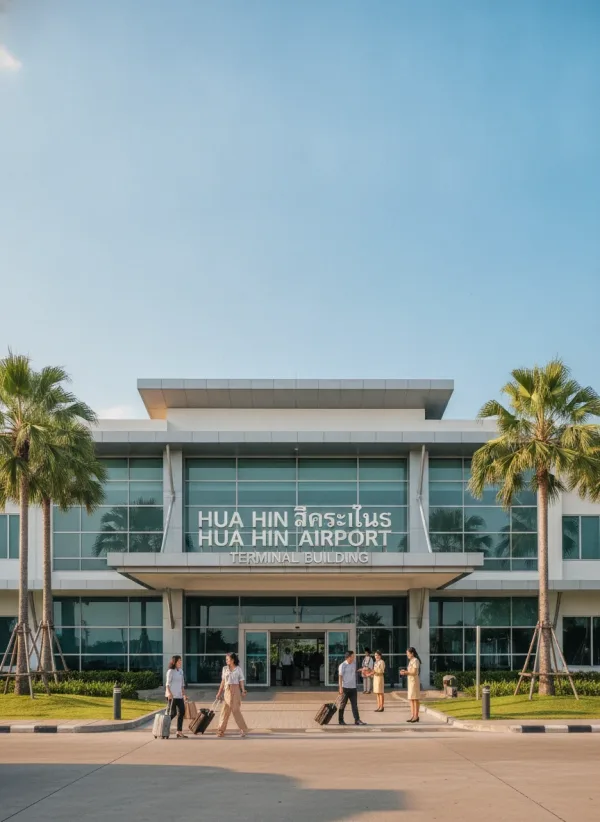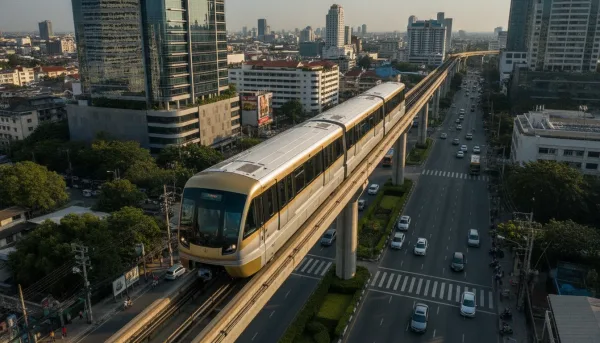
Low-cost carrier AirAsia and the Tourism Authority of Thailand (TAT) have finalised plans to expand flight operations at U-Tapao Airport from 2027, establishing integrated transport corridors between Pattaya and Bangkok. The agreement follows formal discussions between airline founder Tony Fernandes and TAT governor Thapanee Kiatphaibool. The project seeks to establish the eastern seaboard as an alternative international entry point, directly linking provincial air hubs with ground transport networks. This operational shift carries practical consequences for British expatriates residing in Chonburi province.
Direct Access via U-Tapao
For British residents in Pattaya, Jomtien, and Rayong, expanding flight capacity at U-Tapao provides a practical alternative to Bangkok's congested terminals. Most expatriates currently depend on Suvarnabhumi Airport for international travel. Reaching Suvarnabhumi requires a road journey of at least 90 minutes via Motorway 7, which frequently extends beyond two hours during periods of heavy holiday traffic or roadworks. AirAsia intends to introduce direct regional services from U-Tapao. Foreign residents will consequently have routes to bypass the capital entirely when planning holidays or visa renewal journeys across the wider region.
Visiting family members from the United Kingdom will also gain practical routing choices. Relatives can fly into Bangkok, take ground transport to the coast, and return home directly from U-Tapao, eliminating an unnecessary motorway journey back to the capital.
Ground Transit and Corridor Links
The strategy extends beyond airport operations into domestic road transport. AirAsia plans to collaborate with local coach operators to offer combined flight and bus ticketing across the region. This arrangement formally connects Bangkok, Pattaya, and U-Tapao Airport. British retirees who do not drive will benefit from regular, scheduled transit options.
Transit will become more predictable. At present, expatriates without private cars rely on fragmented minibus networks or negotiate fares with private taxi drivers. Centralised ticketing with direct drop-off points will introduce transparent pricing and reliable schedules for residents travelling between the coast and Bangkok for medical appointments or consular business at the British Embassy.
Demographic Shifts on the Eastern Seaboard
The joint marketing strategy targets specific international regions rather than western European source markets. AirAsia and the TAT will focus on secondary cities in China, alongside India, Kazakhstan, and Uzbekistan. Direct flights linking Bangkok to Kazakhstan are already operating, with additional regional services to follow.
Demographics across the resort will change. Long-term British residents should expect shifts in local services, hospitality, and retail, as commercial infrastructure adapts to short-stay package groups from Central and South Asia rather than western retirees. Group transit will also add pressure to coastal roads, particularly around major hotels and tour departure piers.
Implications for British Flat Owners
British nationals who own residential property in Chonburi will see alterations in rental demand. Yields could fluctuate. Higher tourist turnover may assist landlords who let an apartment on long-term contracts to hospitality workers or corporate staff. However, private owners face strict regulations regarding short-term visitors. Under the Hotel Act, letting a foreign-owned unit on a daily or weekly basis without a commercial lodging licence remains unlawful, exposing individual flat owners to substantial fines if they attempt to cater to short-haul tourists.
Conversely, long-term leasing could strengthen as airline staff and ground crews seek accommodation near the airport. The TAT will run early operational trials under its Thailand Winter Blast campaign in late 2026, ahead of the primary 2027 launch. British residents should review U-Tapao route releases across 2026 to evaluate practical flight choices and timings.
Source: nationthailand.com
Reviewed by the Thailand Guide Editorial Team • Last reviewed: 24 November 2026
This page is provided for general information only. While we aim for accuracy, details can change — please verify anything important independently before relying on it.